
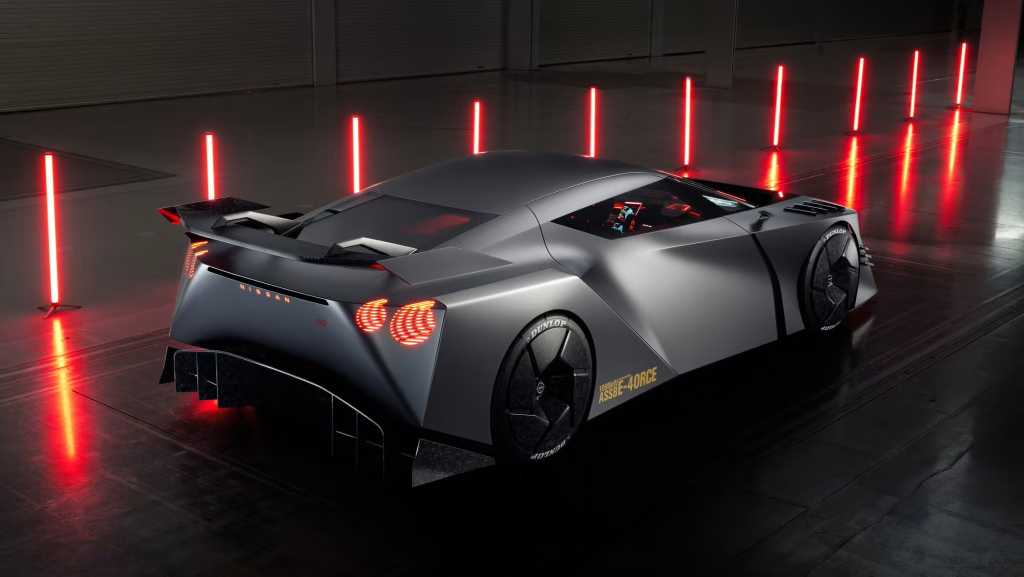
Nissan is building a next-generation GT-R with a hybrid powertrain based on the current 3.8-liter twin-turbo V6 engine. The R36 GT-R could arrive before 2030 with a base price near $120,000 to $130,000, making it one of the most powerful and affordable supercars on the market.
Why This Matters
The R35 GT-R ended its 18-year production run in 2025. Since then, Nissan has had no flagship sports car in its lineup. The R36 will fill that gap with modern hybrid technology while keeping the soul of the original.
Nissan wants the GT-R to stay true to its roots as a supercar you can buy for half the price of its rivals. A base price around $120,000 would keep it far below competitors like the Porsche 911 Turbo S and Chevrolet Corvette ZR1.
Nissan GT-R R36 Hybrid Powertrain Details
The next GT-R will keep the famous VR38 engine block that powered the R35 for nearly two decades. But the cylinder heads, pistons, and combustion system will be completely redesigned. An electric motor and battery pack will add hybrid power to the mix.
Early estimates suggest the R36 could produce well over 800 horsepower with its combined gas and electric output. Nissan has not confirmed whether it will be a plug-in hybrid or a mild hybrid system. That decision may depend on how fast solid-state battery technology develops. For buyers comparing powertrains, understanding the differences between hybrid and gas cars will be key.
The twin-turbo V6 layout will remain. Nissan sees no reason to throw away the VR38 block that fans love. But the way the engine burns fuel will change to meet strict Euro 7 emissions rules across the globe.
R36 GT-R Pricing Could Start Near $120,000
Ponz Pandikuthira, Nissan North America’s senior vice president and chief planning officer, has said the GT-R must stay accessible. The R35 debuted at $65,000 to $70,000 in 2008. Adjusted for inflation, a starting price of $120,000 to $130,000 makes sense for the R36.
A high-performance NISMO version could push past $200,000. But the standard GT-R will not be a $200,000 car. Nissan wants everyday enthusiasts to afford it, not just collectors. Buyers looking at this price range should also compare car insurance rates early, since sports cars carry higher premiums.
New Chassis and Global Launch
The R36 will ride on a completely new chassis. Nissan has described it as an all-new car from the ground up. Development is happening in Japan, and testing will likely return to the Nürburgring where the R35 was famously tuned.
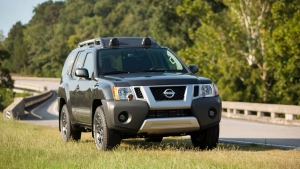
The Takumi hand-assembly program may also continue. Under this program, a single master technician builds each GT-R engine by hand. That tradition helped define the R35 and could carry over to the R36. Nissan is also expanding its lineup with other new models like the upcoming Xterra SUV.
What Happens Next
Nissan has confirmed that development of the next GT-R is a matter of when, not if. Concrete announcements are expected by 2028. The car should go on sale before the end of the decade.
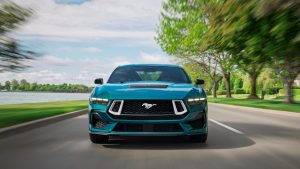
The sports car market is heating up fast. The Ford Mustang just posted a 50 percent sales jump in Q1 2026, proving buyers still want performance cars. When the R36 GT-R arrives, it will enter a segment with strong demand and fewer competitors than ever.
Follow AutoGearAlert for the latest updates on the Nissan GT-R R36, hybrid sports cars, and new performance vehicles.







Leave a Reply