
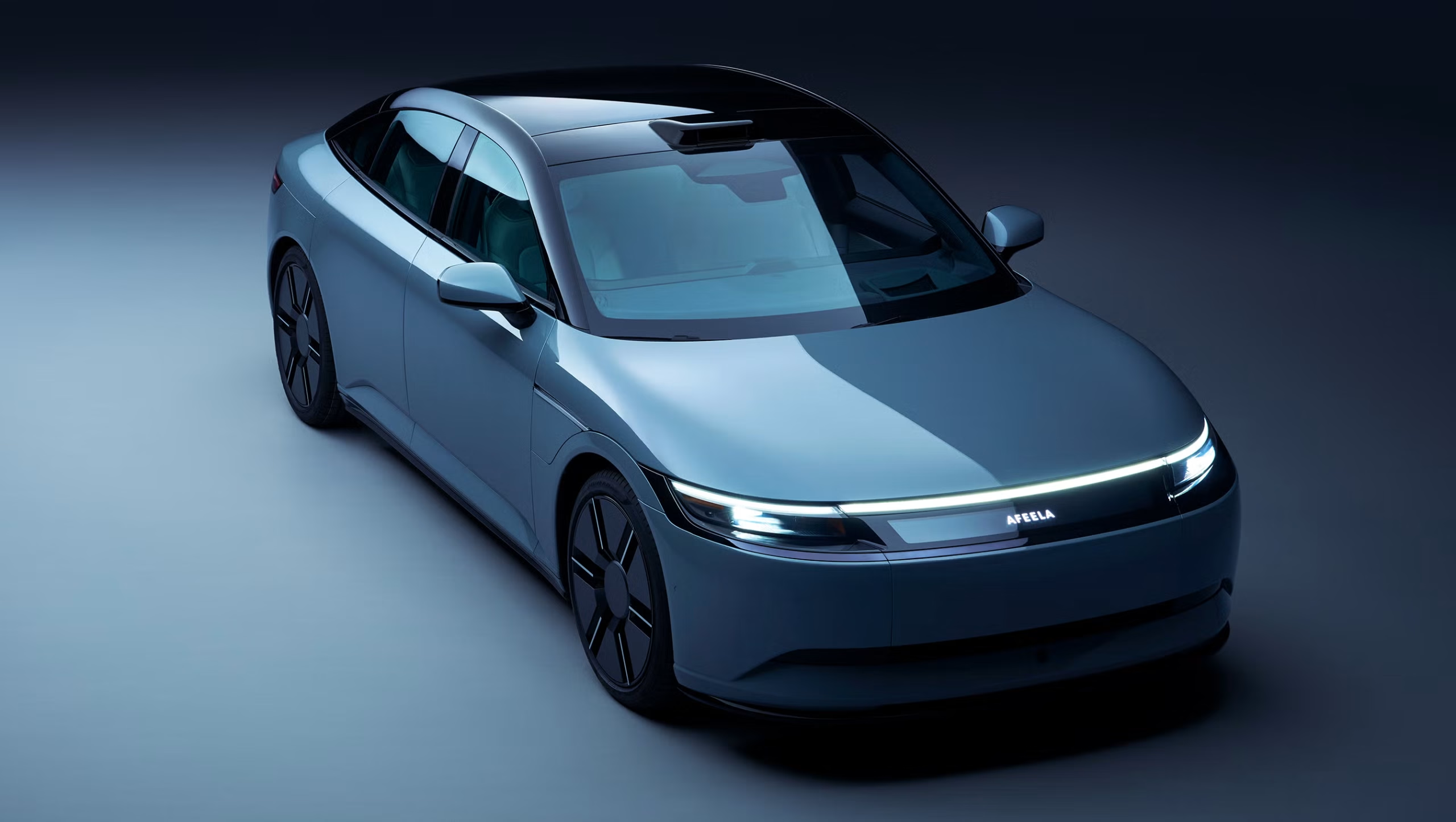
Sony Honda Mobility has officially canceled the Afeela 1 electric sedan. A second planned SUV model has also been scrapped. The joint venture between Sony and Honda confirmed the decision on March 25, 2026 — just weeks before the first cars were set to reach customers.
This matters because the Afeela 1 was not just a concept car. It was already in pre-production at a Honda factory in Ohio. The cancellation signals serious trouble for Honda’s electric vehicle strategy and raises big questions about whether the Sony-Honda partnership has any future at all.
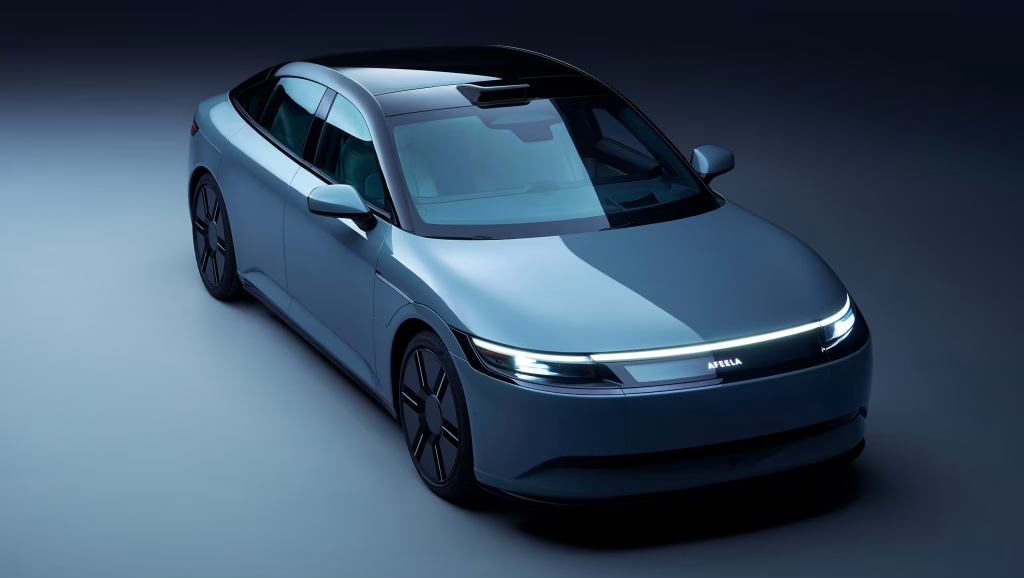
What Was the Afeela 1?
The Afeela 1 was a luxury electric sedan priced at around $89,900. A top Signature trim cost $102,900.
The car was built around Sony’s entertainment technology. It featured PlayStation integration, a 28-speaker sound system, and a massive screen stretching across the full dashboard. That display ran on Unreal Engine — the same software used to build popular video games.
The Afeela 1 also packed a dual-motor all-wheel drive system with around 500 horsepower. Honda and Sony said it could go from 0 to 60 mph in about 4.2 seconds. The battery promised an estimated range of 300 miles per charge.
Why Did Sony Honda Mobility Cancel It?
Honda scrapped three electric vehicles it had planned to build and sell in the United States. When Honda pulled the plug on its upcoming EV platform, Sony Honda Mobility lost access to the core technology it needed to build the Afeela cars.
Rising competition from Chinese electric car brands played a major role. New U.S. tariffs added to the pressure. Honda also reported massive financial losses after writing down a large chunk of its EV investments.
The timing could not have been worse. The joint venture had just held a ribbon-cutting ceremony at a new delivery hub in California only days before the cancellation was announced.
The Car Was Already Almost Ready
Pre-production had already started at Honda’s East Liberty Auto Plant in Ohio. Customer deliveries were expected to begin later in 2026.
Sony Honda Mobility had also shown off a new SUV prototype at the Consumer Electronics Show in January 2026. The brand had showrooms being prepared and a delivery network in place.
Automakers rarely cancel a product that has already reached the pre-production stage. Honda appears to be cutting its losses and rethinking its entire EV roadmap.
What Happens to the Sony-Honda Partnership?
The future of the joint venture is now unclear. Sony Honda Mobility said it will continue to evaluate the partnership and promised to announce its next steps as soon as possible.
No firm details or timeline have been given. It remains unclear what will happen to the hundreds of SHM employees based in Tokyo and California.
The Bigger Picture for Electric Cars
The Afeela cancellation is not happening in isolation. Several major automakers have recently pulled back on electric vehicles.
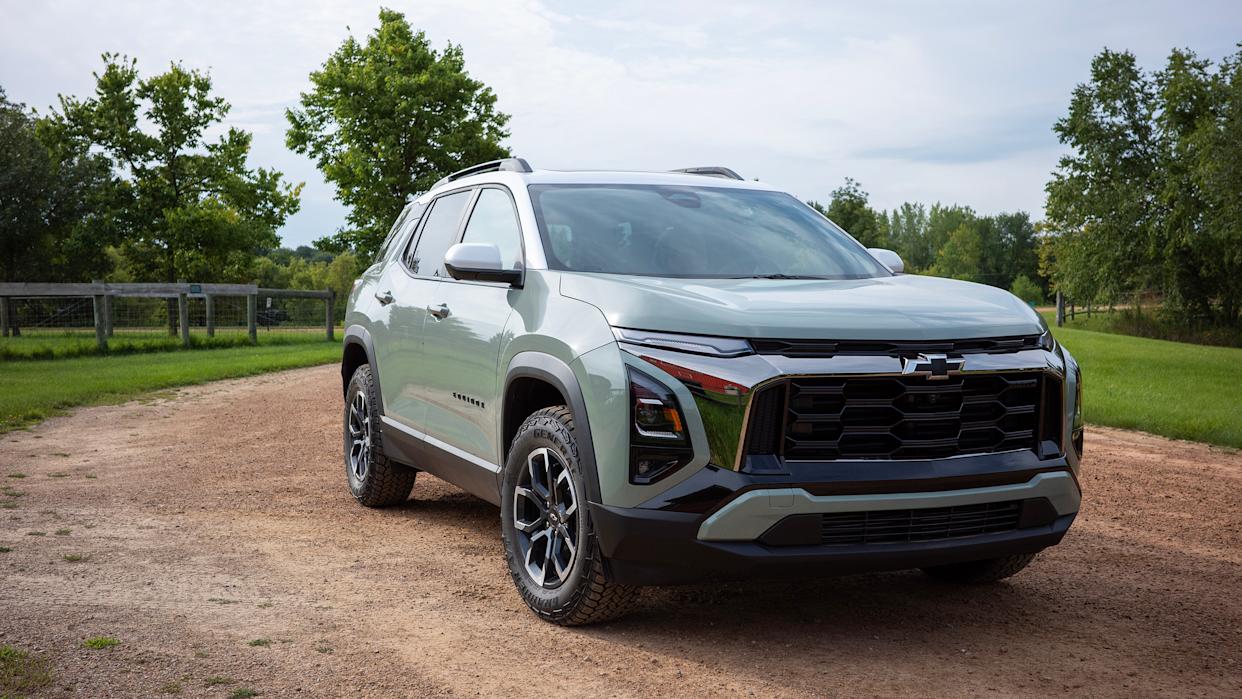
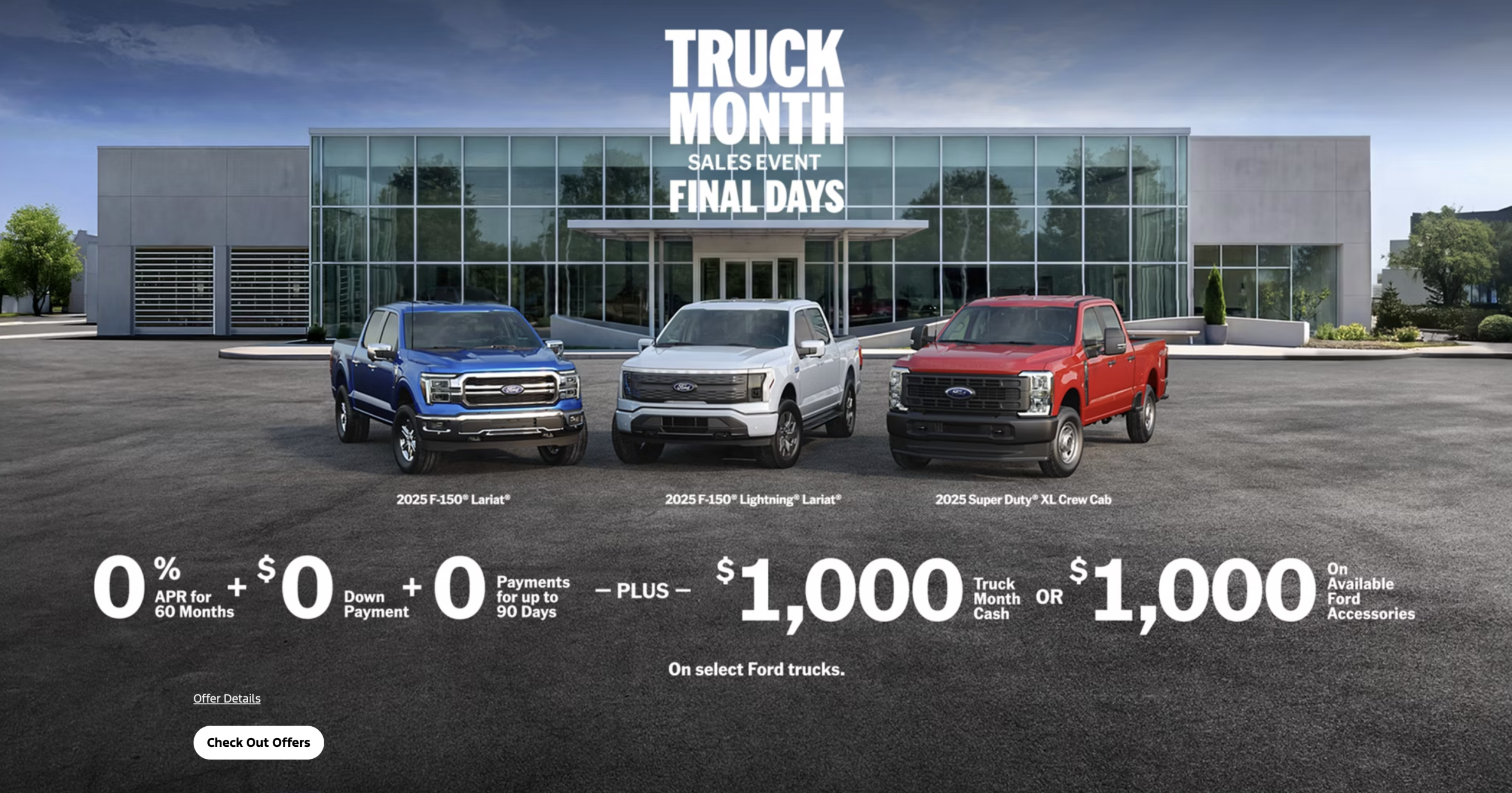
Ford discontinued the F-150 Lightning. Ram canceled its electric 1500 pickup. Tesla is set to discontinue the Model S and Model X. The Chevrolet BrightDrop van has also been retired.
Federal EV tax credits have been removed in the United States. New tariffs have made building and selling electric cars more expensive. Demand has softened across the board.
The Afeela 1 also faced a tough market. A $90,000 electric sedan would have competed directly against the Tesla Model S, Lucid Air, BMW i5, and Mercedes-Benz EQE — all from brands with far more recognition in the luxury car space.
How It All Started
Sony first revealed its interest in building a car at the 2020 Consumer Electronics Show with a concept called the Vision-S. In 2022, Sony and Honda officially formed the joint venture. The Afeela brand name was revealed to the public in 2023.
The project was nearly six years in the making before it was canceled.
What Comes Next
Sony and Honda say they will share their long-term plans for the joint venture as soon as possible. No date has been announced. Honda’s broader EV strategy in the United States is now under a full review.
The fate of the Ohio production facility and SHM employees is still unknown.


Leave a Reply